Apr
17
What Is SEO? A Beginner's Guide to Search Engine Optimization
What Is SEO and Why Does It Matter?
If you have ever wondered why some websites appear at the top of Google while others are buried on page five, the answer usually comes down to SEO. Search Engine Optimization is one of the most valuable long-term investments you can make for any website, yet many beginners find it overwhelming or unclear where to start. This guide breaks down everything you need to know, from the core concepts to practical steps you can take today.
The Simple Definition of SEO
SEO stands for Search Engine Optimization. It is the process of improving your website so that search engines like Google, Bing, and Yahoo rank it higher when people search for topics related to your content, products, or services. The goal is to appear as close to the top of the search results as possible, because the higher you rank, the more people see your website, and the more traffic you receive without paying for ads.
Unlike paid advertising, where visibility stops the moment you stop spending money, SEO builds organic traffic that works around the clock. It is a long-term strategy, but one with compounding returns over time.
How Search Engines Actually Work
Before you can optimize for search engines, it helps to understand what they are actually doing behind the scenes. The process has three main stages:
- Crawling: Search engines send out automated programs called crawlers or spiders that browse the web, following links from page to page and collecting information about every page they find.
- Indexing: The information gathered during crawling gets stored in a massive database called the index. Think of it like a library catalog, except instead of books it contains billions of web pages.
- Ranking: When someone types a search query, the search engine scans its index and uses complex algorithms to rank pages based on hundreds of factors to decide which results are most relevant, trustworthy, and useful for that specific query.
Your job as a website owner is to make sure your pages can be crawled, properly indexed, and seen as relevant and authoritative enough to rank well.
The Three Pillars of SEO
SEO is generally broken down into three core areas. Mastering all three together is what separates websites that rank consistently from those that struggle to get any traction.
1. On-Page SEO
On-page SEO refers to everything you control directly on your own website. It is about making sure each page clearly communicates its topic to both search engines and human readers. Key on-page factors include:
- Title tags: The clickable headline that appears in search results. Every page should have a unique, descriptive title that includes the primary keyword you want to rank for, ideally within 60 characters.
- Meta descriptions: The short summary that appears beneath your title in search results. While not a direct ranking factor, a compelling meta description improves your click-through rate, which can indirectly boost rankings.
- Headings (H1, H2, H3): Proper use of heading tags helps search engines understand the structure and hierarchy of your content. Every page should have one H1 tag that includes your main keyword, with H2 and H3 tags used to organize subtopics.
- Keyword usage: Include your target keywords naturally throughout your content, in the first paragraph, in headings, and in image alt text. Avoid keyword stuffing, which is the practice of forcing keywords in unnaturally and can actually hurt your rankings.
- Content quality: Google consistently prioritizes content that is genuinely helpful, well-researched, and comprehensive. Thin or copied content performs poorly. Aim to write content that is better than what is already ranking for your target keywords.
- Internal linking: Linking from one page on your site to another helps search engines discover more of your content and passes authority between pages. It also keeps visitors on your site longer.
- Image optimization: Compress images so they do not slow your site down, and always add descriptive alt text so search engines understand what the image is about.
2. Technical SEO
Technical SEO covers the behind-the-scenes factors that affect how well search engines can crawl and index your website. Even if your content is excellent, technical issues can prevent it from ever ranking. Important technical SEO factors include:
- Page speed: Google has confirmed that page speed is a ranking factor, especially on mobile. Slow-loading pages frustrate users and get penalized in rankings. Use tools like MerkSEO's Page Speed Checker to identify and fix speed issues.
- Mobile-friendliness: Google uses mobile-first indexing, meaning it primarily looks at your mobile version when deciding how to rank your pages. Your site must work flawlessly on smartphones and tablets.
- HTTPS and SSL: Having a secure website with an SSL certificate is a ranking signal. If your site still uses HTTP rather than HTTPS, upgrading is one of the quickest wins you can get.
- XML Sitemap: A sitemap is a file that lists all the important pages on your website, making it easier for search engines to find and crawl them. Submit your sitemap to Google Search Console.
- Robots.txt: This file tells search engine crawlers which pages or sections of your site they should and should not crawl. A misconfigured robots.txt file can accidentally block your entire site from being indexed.
- Clean URL structure: URLs should be short, descriptive, and easy to read. A URL like merkseo.com/what-is-seo is far better than merkseo.com/page?id=12345.
- Canonical tags: If you have duplicate or very similar pages, canonical tags tell search engines which version is the primary one to index, preventing duplicate content issues.
- Structured data and schema markup: Adding schema markup to your pages helps search engines better understand your content and can result in rich snippets in search results, such as star ratings, FAQs, or recipe cards, which significantly improve click-through rates.
3. Off-Page SEO
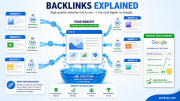
Off-page SEO is about building your website's authority and reputation across the rest of the internet. Search engines treat links from other websites as votes of confidence. The more high-quality sites that link to yours, the more trustworthy your site appears. Key off-page SEO activities include:
- Backlink building: Earning links from reputable, relevant websites is the single most powerful off-page SEO activity. This can be achieved through guest blogging, creating shareable content, digital PR, and outreach.
- Guest posting: Writing articles for other blogs in your niche in exchange for a link back to your website is a classic and effective way to build backlinks and reach new audiences.
- Social signals: While social media shares are not a direct ranking factor, content that gets widely shared tends to attract backlinks naturally, which does benefit SEO.
- Brand mentions: Even unlinked mentions of your brand name across the web contribute to your overall authority. Responding to and engaging with these mentions can sometimes convert them into actual backlinks.
- Local citations: If you run a local business, being listed consistently in online directories like Google Business Profile, Yelp, and industry-specific directories helps with local SEO rankings.
Keyword Research: The Foundation of Every SEO Strategy
Before you can optimize any page, you need to know what your target audience is actually searching for. That is where keyword research comes in. Good keyword research tells you:
- What words and phrases people use when searching for your products or services
- How many people search for those terms each month
- How competitive those terms are
- Which long-tail variations might be easier to rank for
Long-tail keywords are longer, more specific phrases that tend to have lower search volume but also much lower competition. For example, ranking for "SEO tips for plumbers in Dallas" is far more achievable for a new website than ranking for just "SEO tips." Long-tail keywords also tend to convert better because searchers using specific phrases are usually closer to making a decision.
Use MerkSEO's free keyword tools to discover keyword ideas, check keyword density in your content, and monitor your keyword positions over time.
Local SEO: Getting Found in Your Area
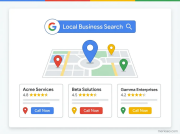
If you run a business that serves customers in a specific geographic area, local SEO deserves special attention. Local SEO helps your business appear in the map pack and local search results when people search for services near them. Key local SEO strategies include:
- Google Business Profile: Claim and fully optimize your Google Business Profile with accurate business name, address, phone number, website, hours, photos, and a detailed description.
- NAP consistency: Your Name, Address, and Phone number must be identical across every directory and website where your business is listed. Inconsistencies confuse search engines and hurt local rankings.
- Local keywords: Include your city or region in your page titles, headings, and content where it naturally fits.
- Reviews: Encourage satisfied customers to leave Google reviews. The quantity and quality of reviews are significant ranking factors in local search.
- Local backlinks: Links from local news sites, chambers of commerce, and community organizations carry extra weight for local SEO.
Common SEO Mistakes to Avoid
Many websites unknowingly sabotage their own rankings. Here are the most common SEO mistakes and how to avoid them:
- Duplicate content: Having the same or very similar content on multiple pages of your site confuses search engines. Use canonical tags or consolidate pages to fix this.
- Ignoring mobile users: With more than half of all web traffic coming from mobile devices, a poor mobile experience will tank your rankings.
- Keyword stuffing: Forcing keywords into content unnaturally makes for a terrible reading experience and gets penalized by Google. Write for humans first.
- Not using Google Search Console: This free tool from Google shows you exactly how your site is performing in search, which queries bring traffic, and what technical issues need fixing. Not using it is leaving valuable data on the table.
- Ignoring page speed: A page that takes more than three seconds to load loses a significant portion of visitors before they even see your content.
- Buying low-quality backlinks: Purchasing links from spammy directories or link farms can result in a Google penalty that wipes out your rankings. Focus on earning links naturally.
- Neglecting old content: Updating and refreshing older blog posts and pages with new information is one of the quickest ways to recover lost rankings and traffic.
How Long Does SEO Take to Work?
This is one of the most common questions beginners ask. The honest answer is that it depends on your website's age and authority, your competition, the quality of your content, and how consistently you are working on it. In general:
- New websites typically take three to six months to start seeing meaningful organic traffic.
- Established websites with some existing authority can see improvements within a few weeks of making optimizations.
- Highly competitive keywords in saturated industries can take a year or more to rank for.
- Long-tail keywords in less competitive niches can sometimes be ranked within weeks.
The key is consistency. SEO rewards websites that publish quality content regularly, keep their technical foundations clean, and steadily build authority over time.
Measuring Your SEO Success
You cannot improve what you do not measure. The most important SEO metrics to track include:
- Organic traffic: How many visitors are arriving from search engines. Track this in Google Analytics.
- Keyword rankings: Where your pages rank for your target keywords. Use MerkSEO's Keyword Position Checker to monitor this.
- Click-through rate (CTR): The percentage of people who see your page in search results and actually click on it. Found in Google Search Console.
- Bounce rate: The percentage of visitors who leave after viewing only one page. A high bounce rate can signal that your content is not matching what searchers expected.
- Domain authority: A score that predicts how likely your site is to rank. While not an official Google metric, it is a useful indicator of your overall SEO health.
- Backlink profile: The number and quality of websites linking to yours. Use MerkSEO's Backlink Checker to monitor this.
Getting Started With SEO Today
SEO can feel like a lot to take in, but you do not need to tackle everything at once. Here is a simple action plan to get started:
- Run a site audit using MerkSEO's free tools to identify your biggest technical issues
- Make sure every page has a unique, keyword-rich title tag and meta description
- Ensure your website loads quickly and works well on mobile devices
- Install Google Search Console and submit your XML sitemap
- Do keyword research and identify five to ten realistic target keywords
- Create or improve content around those keywords, making it the best resource available on that topic
- Set up or optimize your Google Business Profile if you are a local business
- Start building backlinks by reaching out to relevant websites, writing guest posts, or creating shareable content
- Check your progress monthly and adjust your strategy based on what the data tells you
Final Thoughts
SEO is not a magic trick or a one-time fix. It is an ongoing process of improving your website, creating genuinely useful content, and building your authority in your niche. The websites that win at SEO are the ones that show up consistently, treat their visitors well, and give search engines every reason to trust them.
The good news is that you do not need a big budget to get started. The fundamentals of good SEO are available to everyone, and there are plenty of free tools to help you along the way. Start with the basics, stay patient, and use the data to guide your decisions.
Ready to start optimizing your website? Explore MerkSEO's full suite of free SEO tools and take the guesswork out of ranking your website.

leave a comment
Please post your comments here.-
Partners